The person behind the journal
Namaste, I’m Adarsha.
Meet Adarsha Pangeni and discover the purpose of this personal journal: thoughtful reading on mantras, spirituality, tantra and Jyotish, rooted in Nepal.
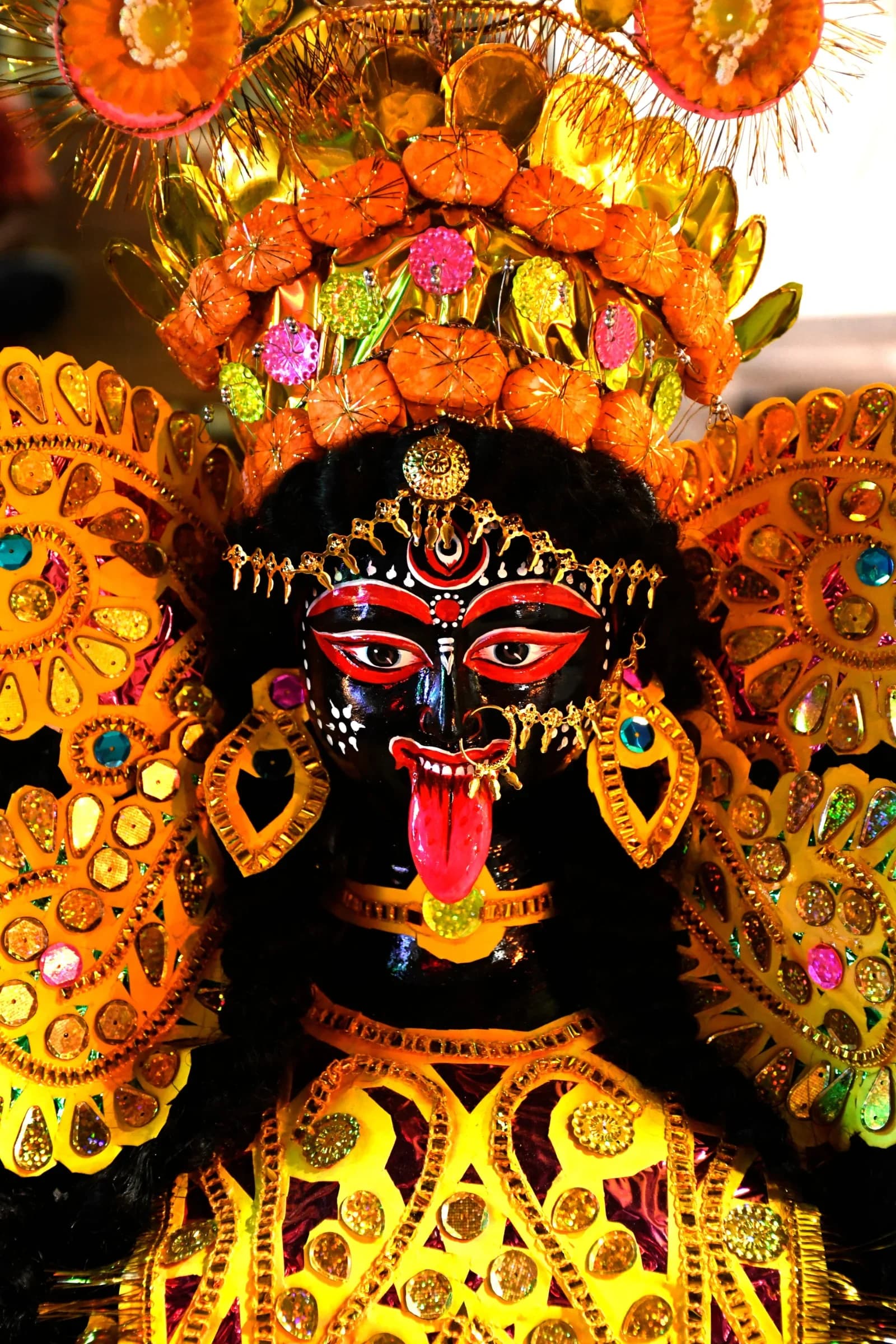
A personal place for learning
I’m Adarsha Pangeni. This journal is my personal space for exploring spirituality, sacred texts and the questions that make ordinary life meaningful. Rooted in Nepal, it brings together my interest in mantras, tantra, Jyotish and devotional traditions.
I write to explore, to understand and to remember. These pages are a record of learning and reflection, rather than a claim to speak for every tradition.
What you will find here
The journal brings original prayer texts together with Roman transliteration, English interpretation and discussion of their origins. Other articles explore the language and ideas of Jyotish or reflect on spiritual life.
You can begin with the Devi collection, browse mantras, or follow the Start here guide.
How to approach the writing
Read sacred words alongside their context. A translation, a devotional interpretation and an account of textual history serve different purposes. Where sources or versions differ, that distinction matters.
These articles are for study and reflection. For precise recitation, initiation or the observances of a particular practice, seek instruction within the relevant living tradition. A written article cannot provide personal guidance for every reader.
Writing, sources and corrections
AI tools assist with research organisation, drafting, English renderings and editing on this journal. The articles are published under Adarsha Pangeni’s editorial responsibility. A linked source is a way for readers to check a claim; it is not a claim that its author has reviewed or endorsed this site.
Sacred text, Roman transliteration and English interpretation serve different purposes. The English meanings are often free devotional renderings, not literal translations. Articles identify their comparison texts and distinguish variant readings where relevant. They have not all received independent review by a Sanskrit scholar or a teacher from the traditions discussed.
For a correction, please send the article, passage and a dependable source through the contact page. Substantive corrections are noted in the article. Historical uncertainty and differences between traditions should remain visible rather than be replaced with unsupported certainty.
Images and interpretation
Illustrations help readers pause with the ideas and stories in the text. Many are original AI-generated artworks, identified in their captions. They are artistic interpretations, not documentary evidence or authoritative ritual diagrams. Read more about the imagery.
Keep the conversation open
If you notice an error, have a source to suggest or want to share a thoughtful response, write to me. Please include the article title and the passage you mean so the concern can be reviewed carefully.
You can follow new writing through RSS without creating an account.